TRATO LENDING / INVESTOR FINANCING
Trato Lending: Real Estate Financing From Investment Scenario to Loan Review
A guide to property strategies, lending questions, and preparing an investment financing request.
Trato Lending for Real Estate Investors and Investment Property Financing
Trato Lending presents financing options for real estate investors pursuing fix and flip projects, rental holdings, bridge transactions, and ground-up construction. Those strategies share a need for capital, but they do not require identical loans. A property intended for resale creates different financing questions from a rental expected to produce income over several years. The starting point is the investment itself: what the investor intends to buy, improve, build, hold, or refinance.
A Lending Company for the Real Estate Investor Scenario
A useful lending scenario brings the asset and the business plan together. Describe the property condition, acquisition price or current value, intended improvements, and expected exit. Explain whether the real estate investor already owns the property or is negotiating a purchase. That information gives a lending company a more practical basis for discussion than a requested loan amount without supporting context.
What a Lender Needs Before Offering to Lend on Property
Before a lender can evaluate how to lend on a project, the file needs a coherent explanation of the transaction. Identify the requested proceeds, relevant experience, anticipated schedule, and available supporting records. An initial review can reveal what is missing and which program category deserves further discussion. It does not replace the underwriting required for a final loan decision.
What the Trato Lender Needs to Lend on a Real Estate Investment
Trato Lending Fix and Flip Loans for Real Estate Renovation
Lending for Investors Buying and Improving Investment Property
Fix and Flip Loan Budgets for Acquisition and Renovation
Trato Lending DSCR Loans for Rental Property Income
Lending on Rental Income for a Real Estate Investment
DSCR Rental Loans, Apartment Eligibility, and Portfolio Planning
A portfolio plan gives context, but the specific property still needs review. Confirm eligibility for an apartment, small multifamily building, or individual rental home rather than assuming every asset fits the same DSCR program. Discuss payment structure, reserves where applicable, and the effect of the proposed debt on the hold strategy. The financing should be considered alongside the operating plan for the rental.
DSCR Lending for Rental Income and Property Portfolio Finance
Ask how the proposed loan supports the individual rental as well as the broader portfolio strategy. Confirm the actual qualifying calculation and documentation requirements with the team.
Trato Lending Bridge Loans for Investment Property Transitions
A bridge loan addresses a temporary financing need within a broader real estate investment plan. An investor might be preparing a sale or arranging a refinance while seeking capital for the intervening period. Trato Lending includes bridge loans among its core programs. The relevant issue is how the short-term borrowing connects to a repayment event that can be explained and evaluated.
Bridge Loan Financing for Investors Preparing a Sale or Refinance
Describe what must happen before the bridge loan is repaid. If the exit depends on another financing transaction, identify the steps that remain and the assumptions behind the schedule. If repayment depends on a sale, explain the expected property condition and marketing timeline. A defined exit gives the lending discussion more substance than a general expectation that another opportunity will appear.
Short-Term Lending and the Real Estate Investor Exit Strategy
Review maturity, payment obligations, and any applicable extension or repayment conditions in the written terms. Consider what happens if the planned transaction is delayed. A bridge structure should be evaluated against a realistic sequence of events, including time for third-party work and final approvals. Speed at the start does not remove the need for a complete repayment plan.
Trato Lending Construction Loans for Ground-Up Real Estate Projects
Ground-up construction financing concerns an asset that must still be created. The lending review therefore needs a picture of both the current project and the proposed completed property. Trato Lending lists construction loans alongside its other investment programs. The financing conversation should connect the build budget, available plans, project responsibilities, and intended exit rather than focus on the land or loan amount alone.
Construction Lending for Investors With a Defined Build Plan
Prepare the available project documents and distinguish completed approvals from items still outstanding. Explain who will manage the build and perform the work, and describe experience relevant to the proposed project. A useful construction scenario identifies major milestones and the timing assumptions behind them. That organization helps the team ask targeted questions about the requested financing.
Construction Loan Draws, Property Budgets, and Investment Finance
Ask how construction proceeds would be released and how verified progress relates to the draw schedule. Contractor invoices, inspections, and supporting records may affect the timing of an advance. Plan for cash requirements between payments and funding events. The practical financing question is not only the total amount proposed, but also whether the flow of capital can support the construction sequence.
Construction Lending and Investor Liquidity Between Loan Draws
A project can need cash even when its improvement costs are eligible for financing. Confirm the release process and plan for the interval between paying an expense and receiving an advance.
Trato Lending in Philadelphia, PA and Other Real Estate Markets
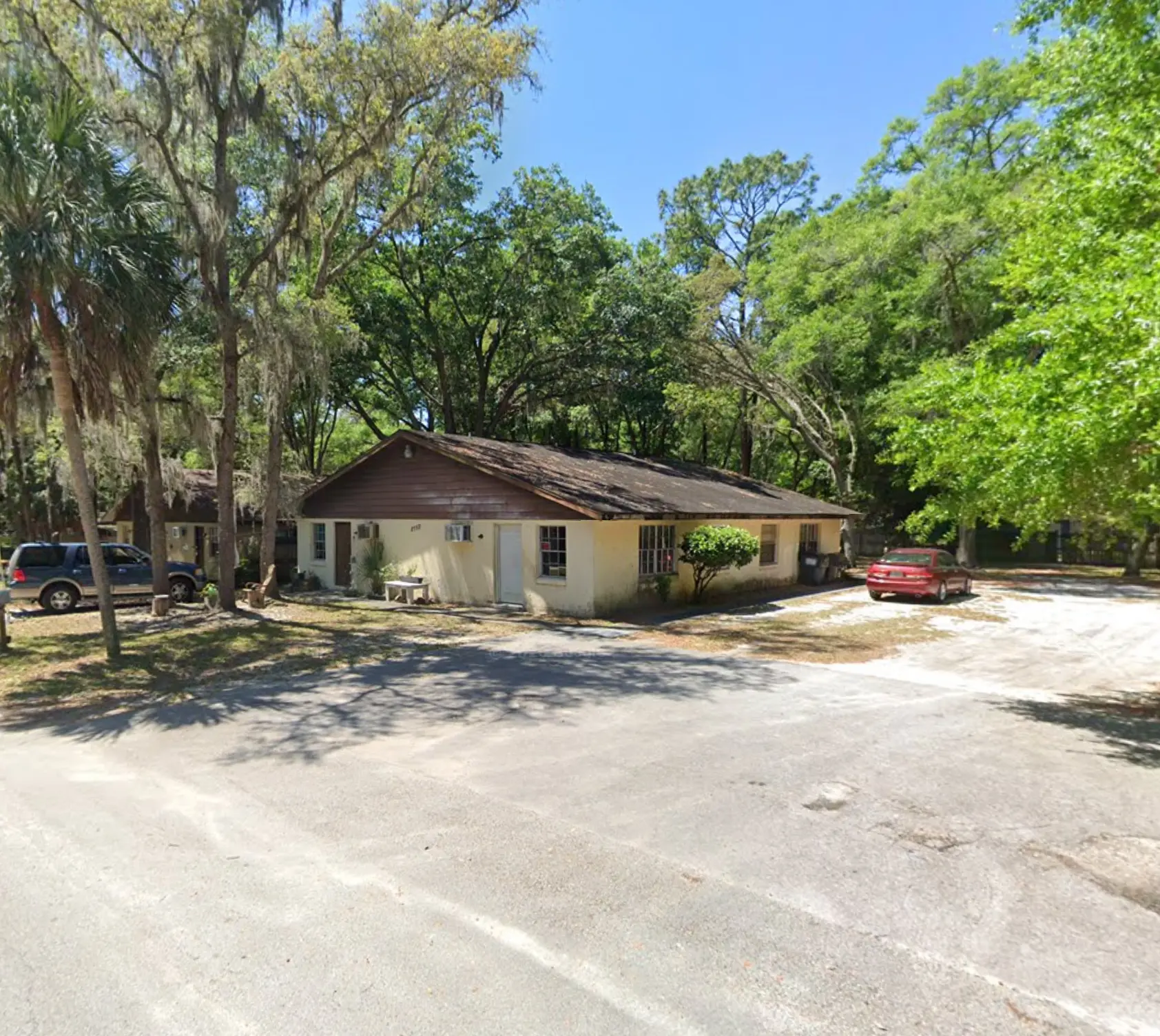
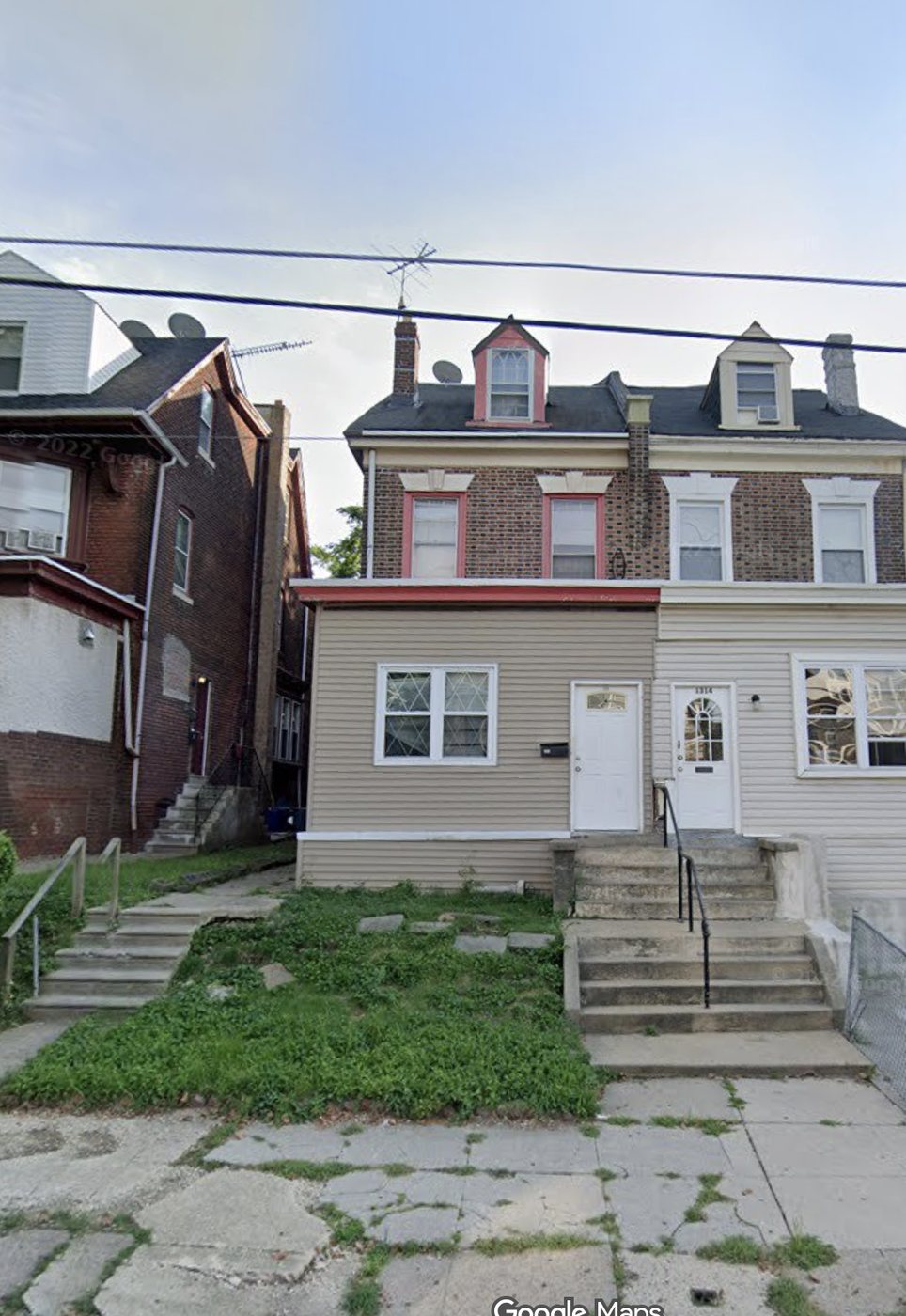
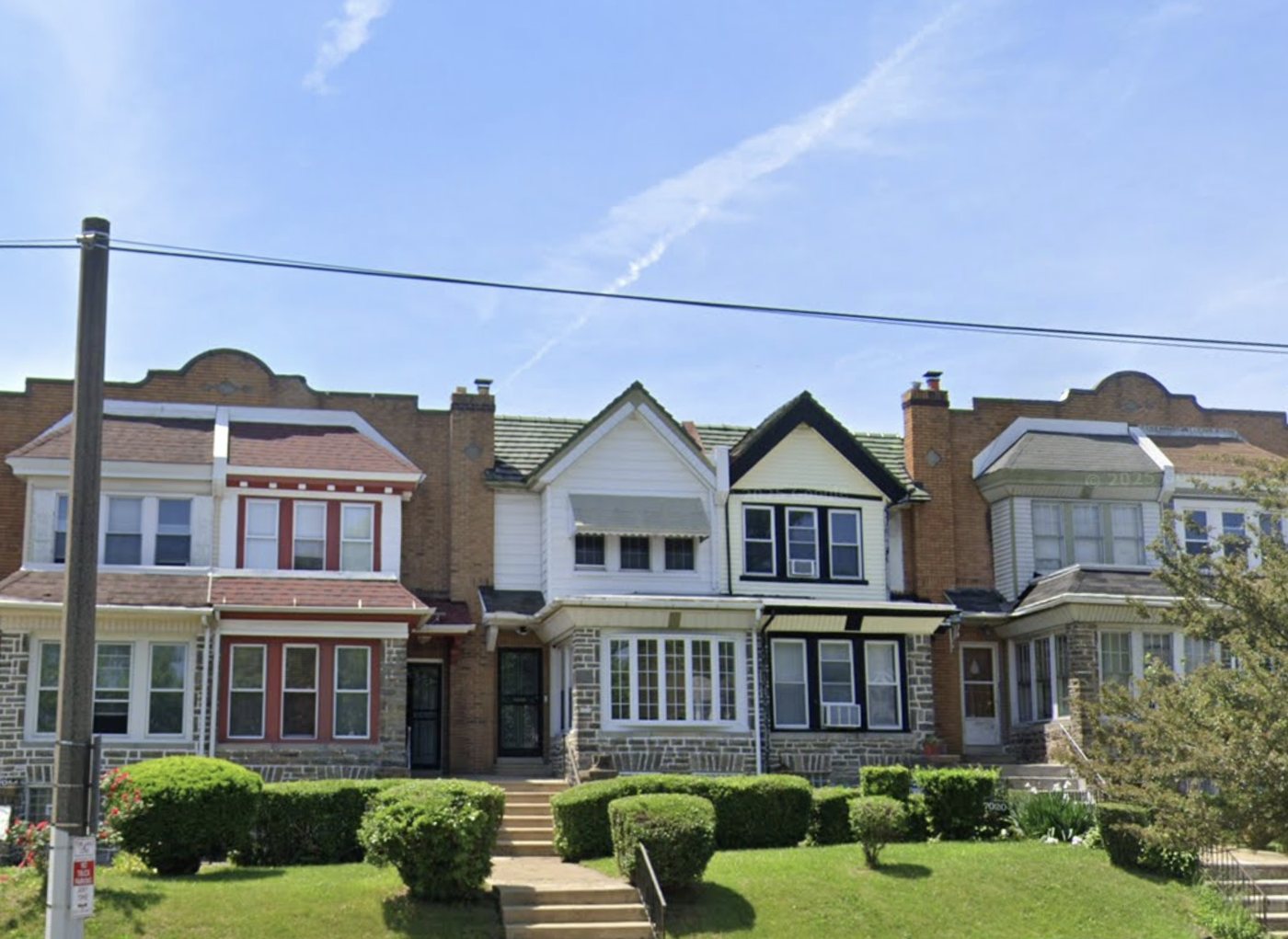
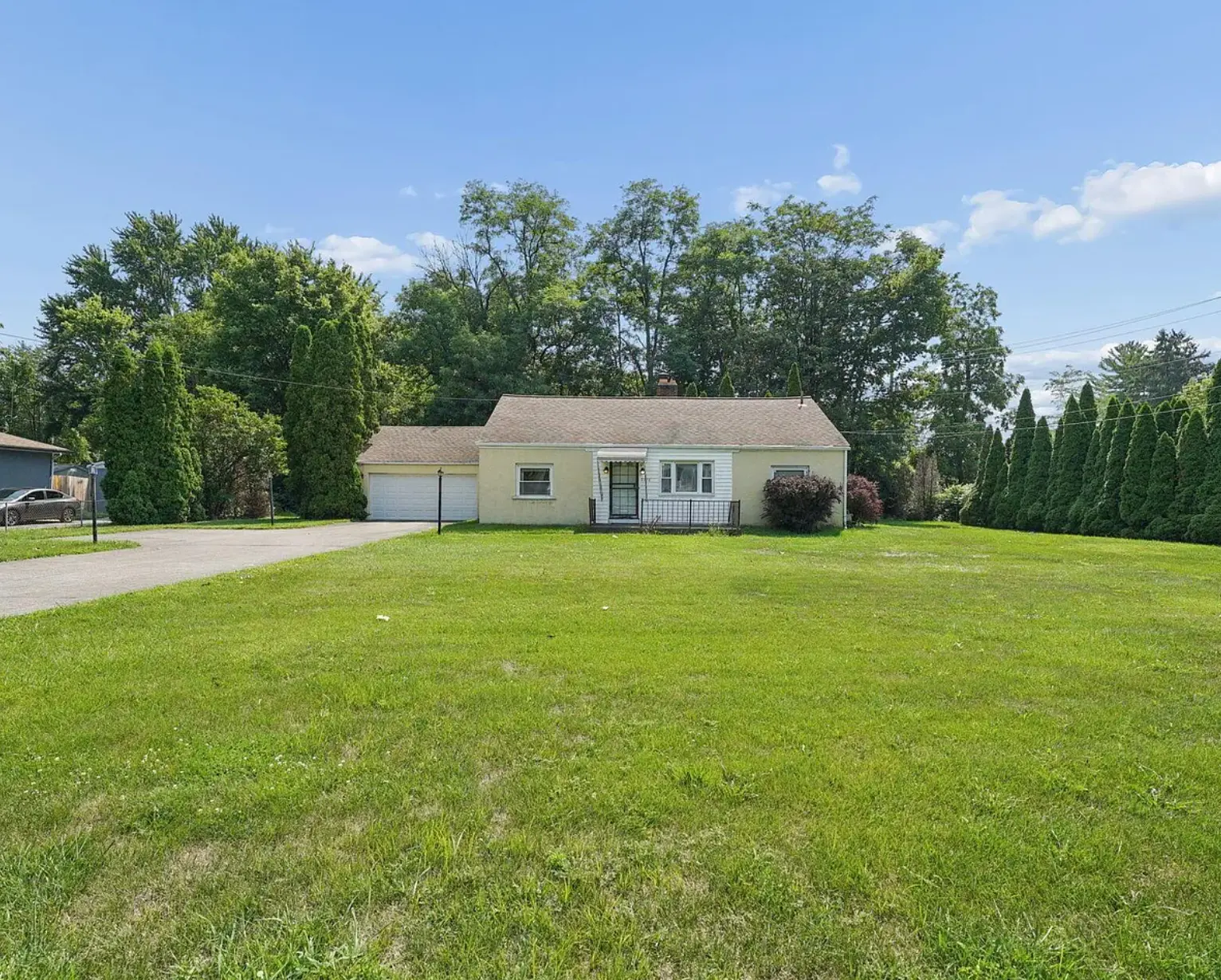
Location matters because the same broad investment strategy can operate differently across property markets. The supplied Trato Lending material includes Philadelphia, PA fix and flip examples and a Florida DSCR refinance. Those transactions illustrate different uses of investment financing. A prior closing is context for a discussion; it does not establish eligibility, pricing, or leverage for a new property.
Investment Property Lending in Miami and New Jersey: Questions to Ask
For a scenario in Miami or New Jersey, provide the actual address, intended business use, current condition, and proposed transaction. Ask the lending team to confirm current state and property eligibility before relying on a program description. Comparable properties, local demand, and the project plan can all be relevant to understanding an investment. A broad market label cannot substitute for an asset review.
North Miami Beach, FL Property Financing and Location Eligibility
The same approach applies to an investment in North Miami Beach, FL: ask whether the specific location and property type qualify. Mentioning a market does not establish a Trato office or guarantee lending availability there. Keep the conversation tied to the individual scenario, supporting information, and requirements confirmed by the team for that transaction.
The Trato Lending Platform and the Investor Lending Desk
The source material describes Trato Lending as using software to assist with document reading, sorting, and checking while people make lending decisions. In that context, a lending platform supports the organization of the file. It does not remove the need to understand the real estate, the investor plan, and the proposed exit before a final decision is made.
Lending to Real Estate Investors Through an Organized Loan Review
An organized submission gives the lending desk a concise explanation supported by consistent records. The purchase contract, budget, and scenario summary should tell the same financial story. If estimates have changed, identify the current figures and explain why. Relevant complications should be raised early so the review can address the actual transaction rather than discover conflicting assumptions later.
How Trato Connects Property Information With Financing Decisions
Use the initial conversation to clarify what the team needs next. A request involving renovation, construction, an existing rental, or a refinance may require different supporting information. Identify your questions and explain any timing constraints. Technology can help organize information, while the quality and completeness of the investor submission remain important to a useful financing discussion.
Questions for the Lending Desk and a Real Estate Financing Expert
Ask the person reviewing the file to explain program fit and outstanding requirements. Seek qualified advice for transaction questions outside the lending review, rather than treating a general program description as a complete answer.
Comparing Trato Lending With Other Real Estate Lenders
Comparing lenders is easier when each lender receives the same property assumptions. Review the proposed rate alongside fees, loan proceeds, payment obligations, term, and funding mechanics. Trato Lending should be evaluated through the written structure offered for the actual scenario, just as another lending company would be. A headline figure alone cannot explain the cash required to complete an investment.
Hard Money Lending and Conventional Mortgage Financing
Hard money lending and a conventional mortgage can involve different underwriting approaches, intended uses, and loan structures. Investors should ask how a proposed program fits the property and business plan rather than assume one category is always preferable. Compare documentation, repayment requirements, and total costs using the relevant terms. A business-purpose investment loan should not be confused with financing for an owner-occupied home.
Commercial Real Estate and Commercial Transactions: Confirm Loan Fit
For commercial real estate or commercial transactions, confirm program fit directly. An apartment building, mixed-use asset, or other investment may require a different review from a single-family renovation project. The existence of a property-type option in an inquiry form does not establish approval or universal eligibility. Ask which financing categories and requirements apply to the specific transaction.
The Trato Lending Loan Process From Scenario to Closing
The supplied Trato process moves from scenario submission to indicative terms, diligence, and closing. Each stage adds information needed to assess the loan. An early response can help an investor understand a possible structure, but it should be read together with the remaining conditions. Initial terms are a starting point for review rather than a promise that the transaction will close.
Investor Loan Terms, Property Diligence, and Refinance Preparation
Use the terms discussion to ask about proceeds, charges, payment structure, and the records needed to proceed. For a refinance, explain the current financing and the intended use of any additional capital. Confirm what remains unresolved before assuming a proposed structure can be relied upon. Clear questions at this stage help keep the financing aligned with the investment objective.
A Lending Company Review of Title, Insurance, and Property Value
Title, insurance, valuation, and other applicable underwriting requirements can affect the path toward closing. Coordinate requests and identify who is responsible for outstanding items. A desired funding date should account for those dependencies. Final availability depends on the completed review and closing conditions, so keep the investment schedule connected to the actual status of the file.
Trato Lending Loan Conditions Before Investment Property Closing
Confirm the current approval status and read the outstanding conditions. The investor should understand both the financing proposal and the remaining steps before making plans that depend on funding.
TratoLending Loan Approval, Property Evaluation, and Final Funding
A submission or indicative quote is not a commitment to lend. Final financing depends on the required credit and property review and the conditions documented for the transaction.
Preparing Your Next Trato Lending Real Estate Investment Scenario
A productive Trato Lending conversation can begin with a short scenario summary. Identify the property, describe whether the plan is to flip, rent, build, or refinance, and state the requested financing. Add the expected timeline and relevant project experience. That combination gives the team practical information for deciding what questions to ask and which program category to discuss.
TratoLending Questions for an Informed Investor Financing Conversation
When searching for the brand, investors may use Trato Lending or the compact spelling TratoLending. Keep the focus on the actual company information and the terms confirmed for your request. A blog article or social post can introduce a financing topic, but a general explanation does not establish the conditions of a loan. Bring questions from that research into the direct lending conversation.
Ask the Lender About Loan Costs, Property Conditions, and Funding
Before proceeding, ask the lender to explain any uncertain charge, funding condition, or repayment obligation. Review the final structure against the property plan and available cash. The contact details supplied in the original Trato material are loans@tratolending.com and (786) 800-3552. Business-purpose eligibility and the applicable credit and property evaluation govern whether a loan can be approved.